

The surveillance camera law in Saudi Arabia requires many businesses and buildings to install and run security cameras to set requirements. Waves Telecom surveys, upgrades and maintains CCTV systems across the Eastern Province so your site is ready for licence renewal.
Saudi Arabia's Law on the Use of Security Surveillance Cameras makes CCTV mandatory for a long list of premises. It was approved by the Council of Ministers on 27 September 2022 and issued by Royal Decree on 3 October 2022. An executive regulation sets out how it works in practice.
For most owners, the real impact is simple. Your activity licence may not be issued or renewed until your cameras meet the requirements. Missing, faulty or badly placed cameras can delay a renewal and lead to fines.
Waves Telecom installs and maintains CCTV for offices, warehouses, compounds and industrial sites in Al Khobar, Dammam, Dhahran and Jubail. We help you find gaps before an inspection does.
Article 2 lists the premises covered. These include ministries and public agencies, oil and petrochemical facilities, and power and desalination plants. Hotels, malls, banks and residential buildings, including compounds, are covered. So are mosques, hospitals, schools, food outlets, fuel stations, commercial warehouses and commercial activity sites. The Ministry can add more.
Article 4 requires cameras to run around the clock. Recordings must be kept for the periods in the Requirements Document, and kept unaltered until any investigation ends. Sites are classed as high, medium or low security, which decides how they connect to a control room. Retention period: check the current Ministry of Interior requirement. Sources state 90 days.
Fines are SAR 500 per camera that fails the technical specifications and SAR 1,000 per camera not installed to specification. Failing to keep recordings can cost up to SAR 5,000. Unlawful transfer or publication of footage, or damage to equipment, can cost up to SAR 20,000. Cameras are banned in places such as changing rooms, restrooms and medical examination rooms.
Article 5 says installing, operating or maintaining covered cameras needs prior Ministry of Interior approval. Waves Telecom holds Ministry of Interior (MoI) approval as a CCTV installer, so we can install, upgrade and maintain covered cameras at your site.
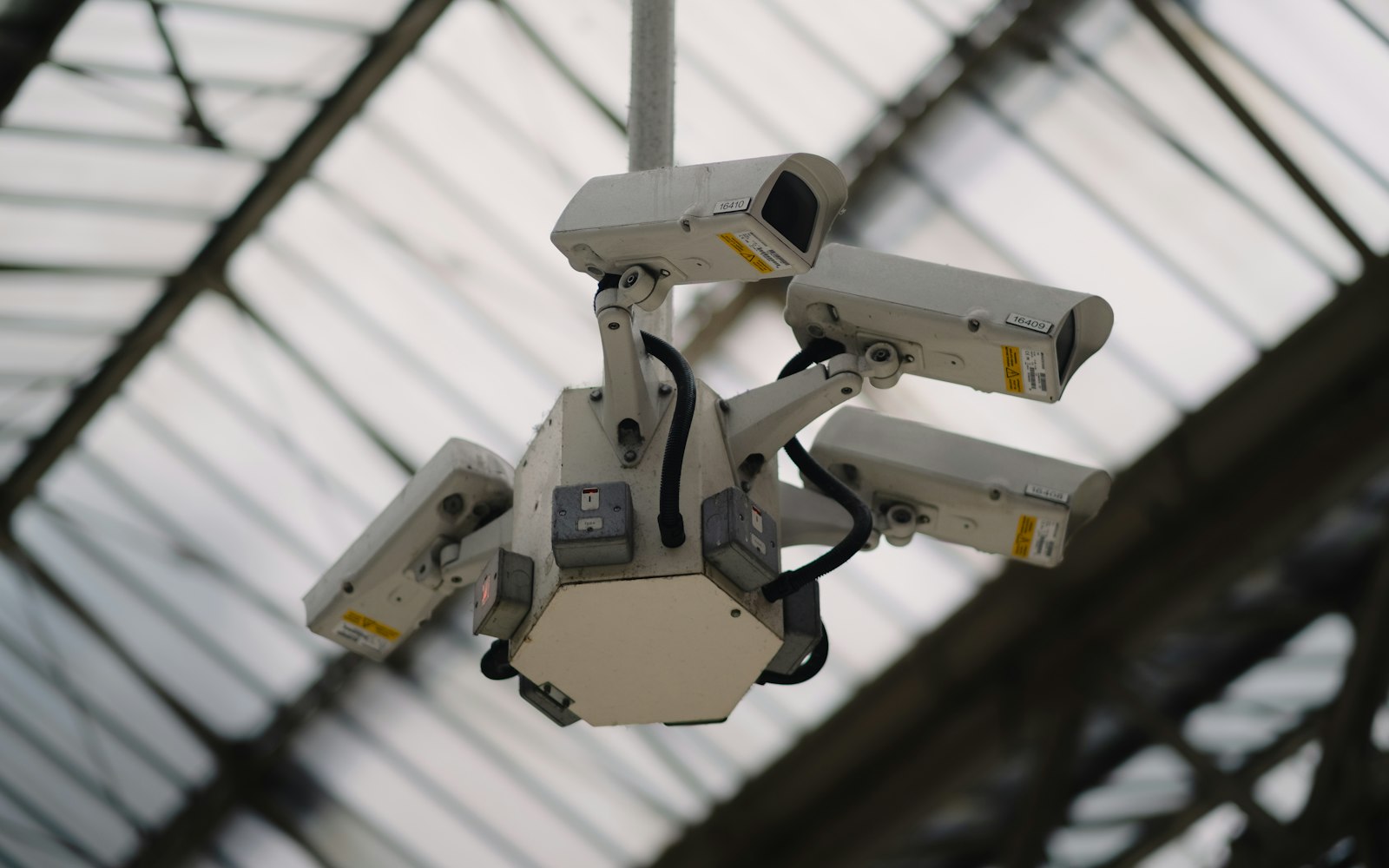
We walk your site, list every camera and recorder and check coverage, image quality and recording time.
You get a clear list of what to fix: missing cameras, wrong placement, short retention or failed devices.
We supply and install IP cameras, recorders and storage sized for your required retention.
We change default passwords, update firmware, separate the camera network and limit who can view or export footage.
A maintenance contract keeps cameras running around the clock and catches faults before your next renewal.
Businesses renewing an activity licence that need CCTV coverage to the required standard.
Commercial warehouses that must cover entrances, loading areas and storage zones.
Compounds and apartment buildings in Khobar, Dhahran and Dammam needing round-the-clock recording.
Covered premises that must also respect banned camera locations.
Oil, petrochemical and utility sites, where high-security sites need secure connections and cybersecurity controls.
Shops, restaurants and fuel stations that need compliant coverage and reliable storage.
Article 2 covers a long list of premises, including commercial activity sites, warehouses, residential buildings, hotels, clinics, schools, food outlets and fuel stations. The Ministry can add more sites. If your activity licence renewal mentions CCTV, the law applies to you.
Yes. Article 3 says an activity licence may not be issued or renewed until the camera installation requirements are met. Check your system well before the renewal date.
The law refers to the periods in the Requirements Document. Check the current Ministry of Interior requirement, but sources state 90 days. We size your storage to meet the required period.
Fines are SAR 500 per camera that fails the technical specifications and SAR 1,000 per camera not installed to specification. Failing to keep recordings can cost up to SAR 5,000. Unlawful sharing of footage or damaging equipment can cost up to SAR 20,000.
No. Transferring or publishing recordings is prohibited without proper approval, such as a judicial order or an investigator's request. Violations can bring a fine of up to SAR 20,000.
Article 5 says installing, operating or maintaining covered cameras requires prior Ministry of Interior approval. Ask us about approvals for your site.
Yes. We can replace analogue cameras with IP cameras and modern recorders, often reusing some cabling. We plan the change so recording does not stop.
Book a site survey. We will show you what meets the requirements and what needs fixing.